01
It moves, so it fails
Metal against masonry across a 47-degree annual swing. Sealant is the part doing the accommodating, and sealant is what goes first.
Serving the Miami Valley
Roof Repair
Chimneys, valleys and wall abutments across Dayton. Flashing is where nearly every leak we trace ends up, and it fails long before the shingles around it do.
Tell us where the stain is, near a chimney, a wall, or where two roof slopes run together.
Cut into the mortar
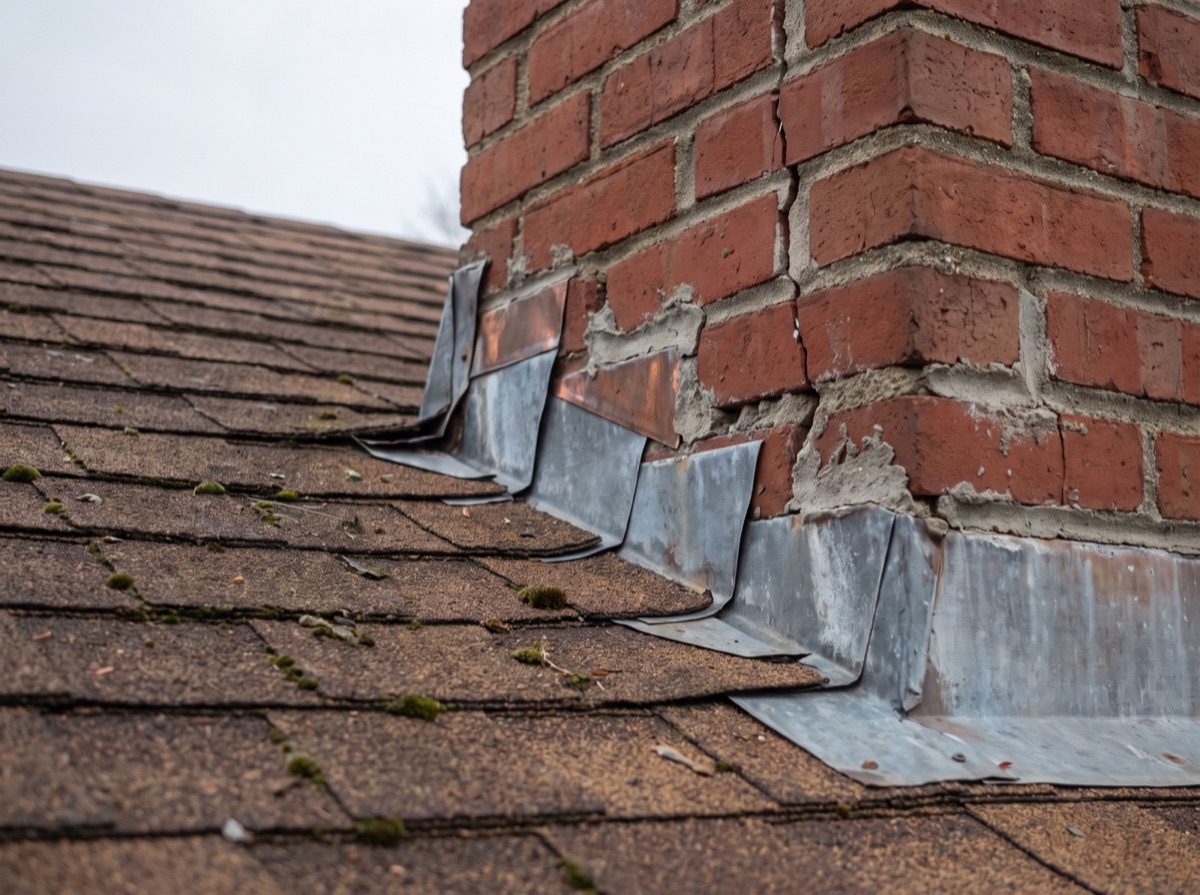
Counter-flashing goes back into the joint and gets re-pointed, not surface-sealed onto the brick.
Step flashing woven in
Laid in piece by piece between the rows of shingles, the way it should have been done the first time.
Told when a seal is a stopgap
We will do one if you need to get through winter. You will know that is what it is.
The Problem
Then it holds for a season or two, and the joint underneath is still moving.
Flashing is the metal sealing the joints. Where the roof meets a chimney, a wall or a skylight, and where two slopes run together in a valley. It is the only part of a roof asked to accommodate movement, and movement is exactly what this climate delivers, twice a year, every year. On the brick chimneys found on half the houses in this county, the usual failure is counter-flashing mortared in decades ago that has worked loose.
Why Us
Doing it properly means lifting shingles, replacing the step flashing and cutting the counter-flashing back in. It is more expensive on the day, and it is the last time you pay for that chimney.
Metal against masonry across a 47-degree annual swing. Sealant is the part doing the accommodating, and sealant is what goes first.
Chimneys, walls, valleys and the edges around skylights. More of the leaks we trace end here than anywhere else on a roof.
We never reuse flashing under a replacement. Twenty-year-old metal beneath new shingles is the shortcut that leaks in year two.
What We Do
Everything we cover under Dayton roofing services, from a single slipped shingle to a full tear-off. Not sure which one you need? Call and we'll tell you straight.
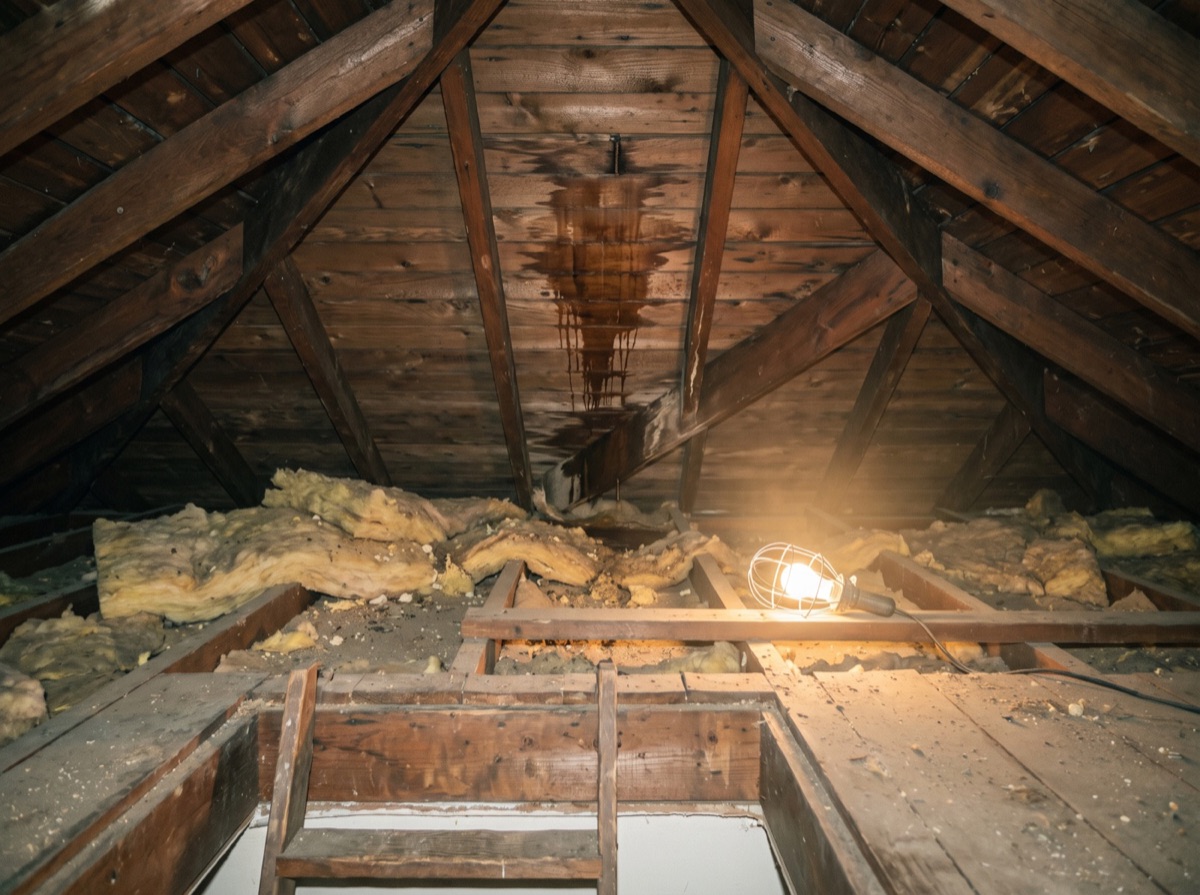
The most common call we get. We trace where the water actually enters, which is rarely directly above the stain.
Learn more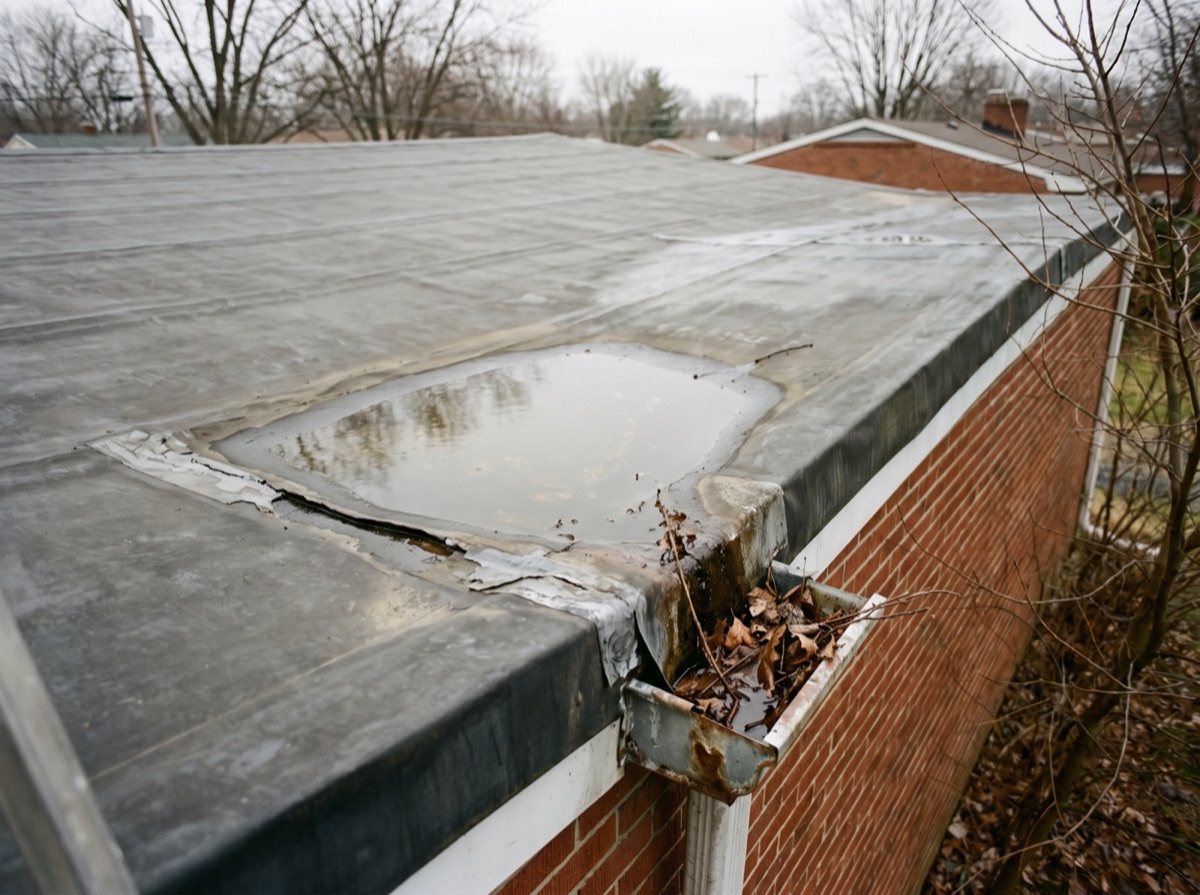
Low-slope roofs on extensions, garages and porches. Ponding, split seams and failed membrane.
Learn more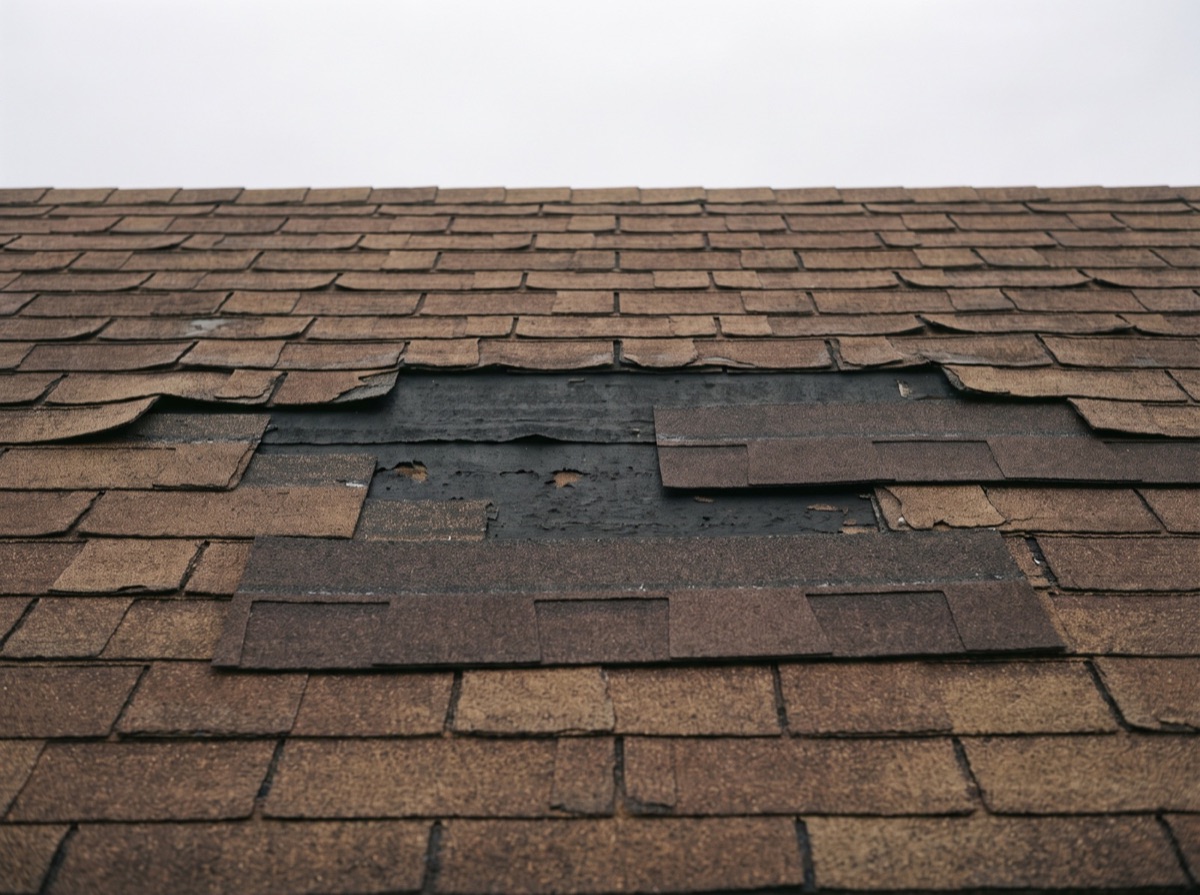
Missing or lifted shingles after a storm. We match what we can and tell you honestly when a patch will show.
Learn more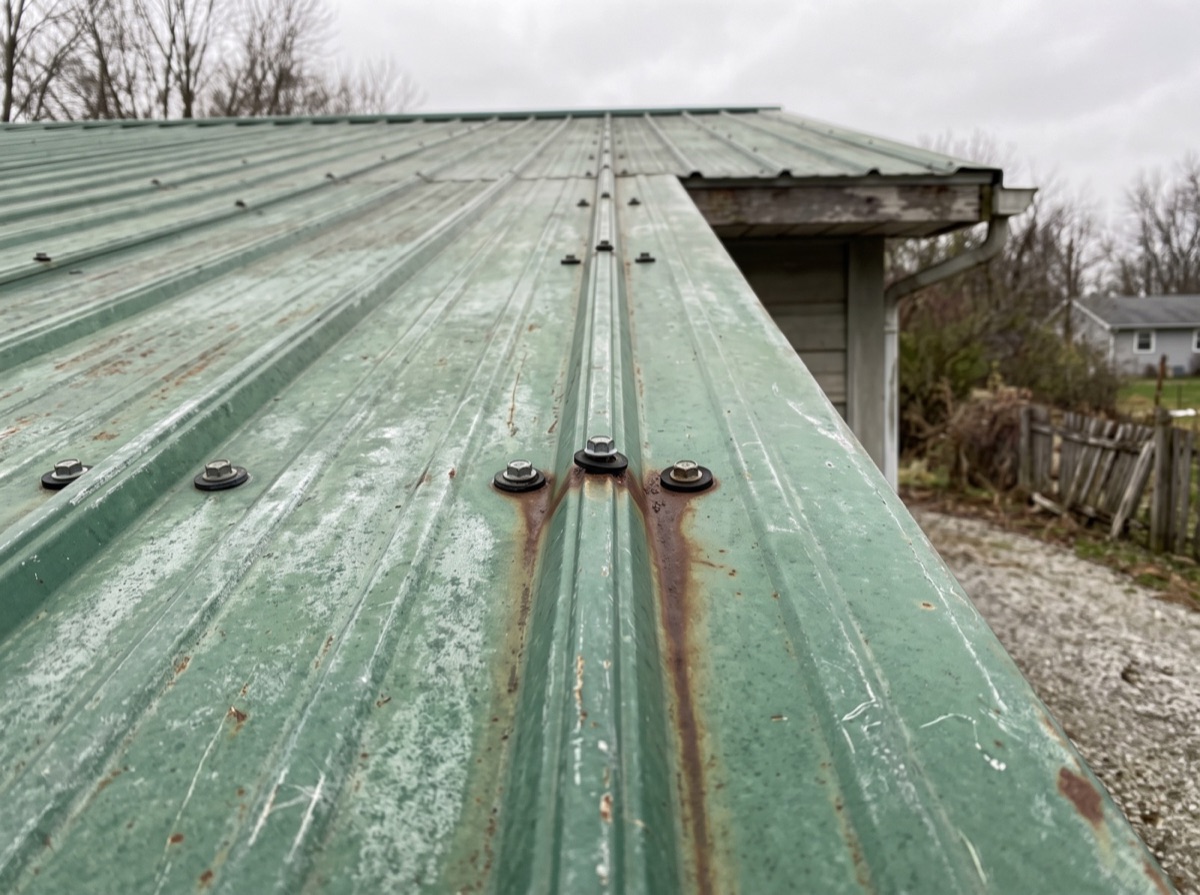
Loose fasteners, split laps and brittle pipe boots. On most metal roofs we see, the panels are sound and the hardware has moved.
Learn more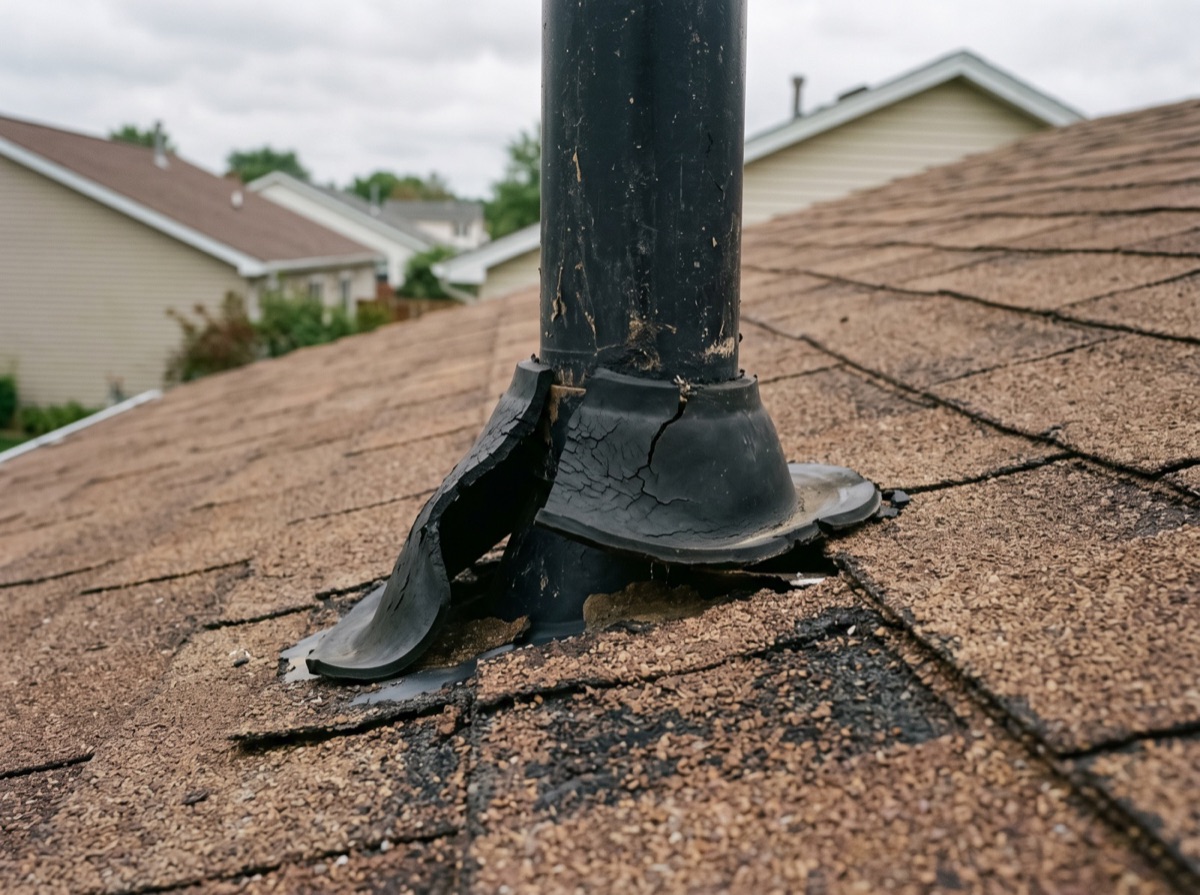
Split pipe boots, ridge vents that do nothing, and attics never ventilated to modern code. Often the cheapest leak on the roof to put right.
Learn more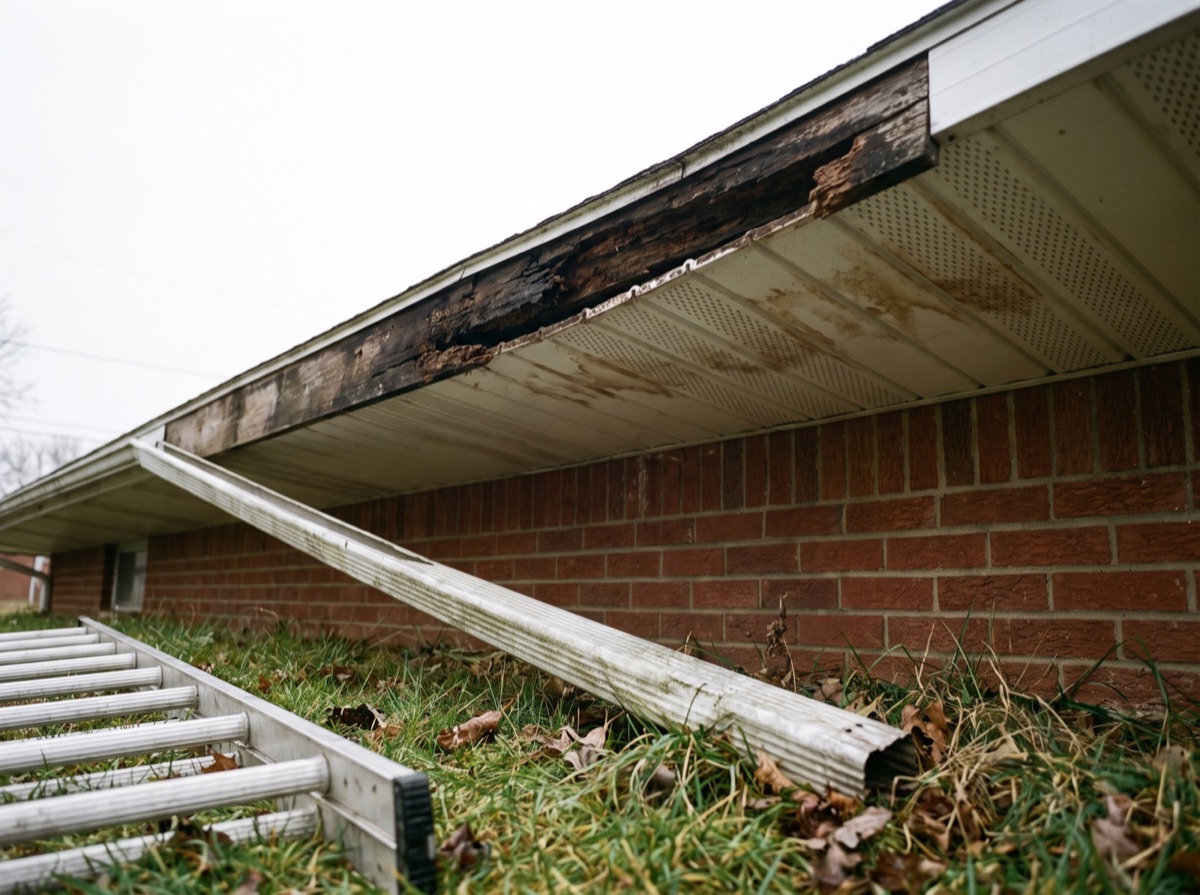
The first wood to rot on most Dayton houses, and nearly always a gutter or ice-dam problem that has been running for two winters.
Learn more
The Difference
Shingles are a shedding surface with no moving parts. Flashing is a joint between two materials that expand at different rates, sealed with something that has to absorb the difference between them. One of those fails long before the other, and it is not the shingles.
That is why more of the leaks we trace end at a chimney, a wall or a valley than anywhere else on a roof. It is also why we fit new flashing on every full replacement instead of reusing what is already there.
The old brick downtown in Miamisburg gives us more of this work than anywhere. Brickwork repointed by several generations makes for a difficult joint.
How It Works
Shingles up, joint rebuilt, shingles back. Usually a day.
By tracing rather than assuming, because chimneys get blamed for plenty of leaks that start elsewhere.
Enough to reach the step flashing properly. This is the part a sealant job skips altogether.
New step flashing, counter-flashing cut back into the mortar joint, and the brickwork re-pointed.
Shingles bedded back down and the whole detail hosed before we leave the site.
Reviews
“We had a leak over the back bedroom for almost two years and kept putting a bucket under it. The team found the problem in about ten minutes. It turned out to be the flashing around the chimney, not the shingles. They fixed it that same afternoon. I wish we had called sooner.”
“We had a full tear-off on our 1950s ranch. The crew arrived at 7 every morning and finished the job in three days. They even swept the entire driveway with a magnetic roller so our kids wouldn't pick up any nails. The final price was exactly what we were quoted.”
“After the hail last June, our insurance company questioned whether the damage was from the storm or simply the age of the roof. The team inspected everything, took detailed photos, and joined the call with our adjuster. The claim was approved. I don't think we would have managed it on our own.”
“Good work at a fair price. I gave four stars because our job had to be pushed back a week due to rain, and I had already taken the day off. They did call ahead and kept us informed instead of simply not showing up, which I appreciated.”
“A tree came down on our garage roof at around nine at night. Someone actually answered the phone, which I wasn't expecting. They had the roof tarped before midnight and came back the following week for the permanent repair. Great response when we needed help.”
“We had new seamless gutters and gutter guards installed around the whole house. They made the gutters right there on site, which I hadn't seen before. We've had two heavy storms since the installation and nothing has overflowed onto the patio. That was exactly the problem we wanted fixed.”
“I booked a roof inspection expecting to hear that we needed a full replacement because that's what the previous two companies told us. After inspecting it, they said our roof probably had about five years left and told us to call back when the time came. They didn't charge us for the inspection. That honesty is why they'll get the job when we eventually replace it.”
“This is the second time we've used them. They installed our gutters a couple of years ago, and we recently hired them again for a full roof replacement. We even had the same crew leader both times. The quote was clearly itemized, so we could see exactly what we were paying for, including the wood underneath repairs.”
Flashing is the metal that seals the joints. Where the roof meets a chimney, a wall or a skylight, and where two slopes meet in a valley. It is where nearly every leak we trace ends up, because it is the part that moves. A 47-degree swing between a Dayton January and July expands and contracts metal against masonry every year, and the sealant at that joint is what gives.
Half the houses in this county have a brick chimney, and two things usually go wrong. The upper flashing was cemented into the brickwork decades ago and has worked loose. Or the lower flashing was sealed over the top, instead of being woven in between the rows of shingles. Either way it is one of the more involved repairs we do.
A bead of sealant over failing flashing buys a year. Doing it properly means lifting the shingles, replacing the step flashing, cutting the counter-flashing back into the mortar joint and re-pointing. It costs more and it is the difference between fixing it and revisiting it.
We replace flashing as standard on every full replacement rather than reusing it, for the same reason.
Typically $400 to $1,200 depending on the chimney size, whether the counter-flashing needs cutting back into the mortar, and whether any roof boards around it has gone soft. It is at the higher end of repair work and one of the most common causes of a leak.
It can, and it will hold for a season or two. We will do it if you need a stopgap and we will tell you that is what it is. It is not a repair. The joint is still moving, and sealant is the thing that fails first.
Free Estimate
Shingles lifted, new flashing fitted, and the brickwork re-pointed. It is the last time you pay for that chimney.